
What Is a Wildflower? American Meadows Clarifies a Common Gardening Question During National Wildflower Week
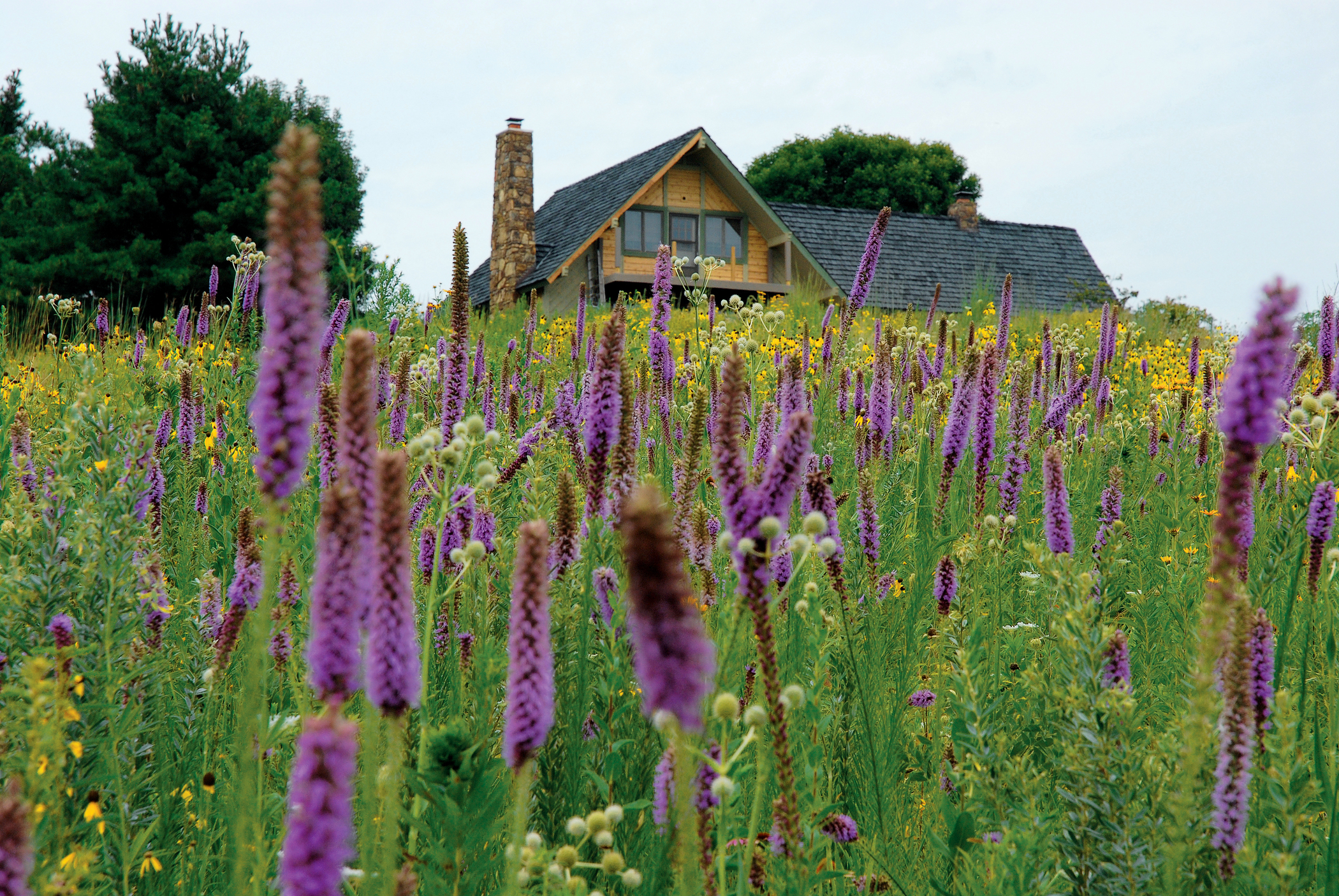
A diverse native meadow planting in Missouri showcases how regionally adapted species like Prairie Blazing Star, Rattlesnake Master, and Coneflowers work together to support pollinators—proving ecological function and natural beauty go hand in hand.
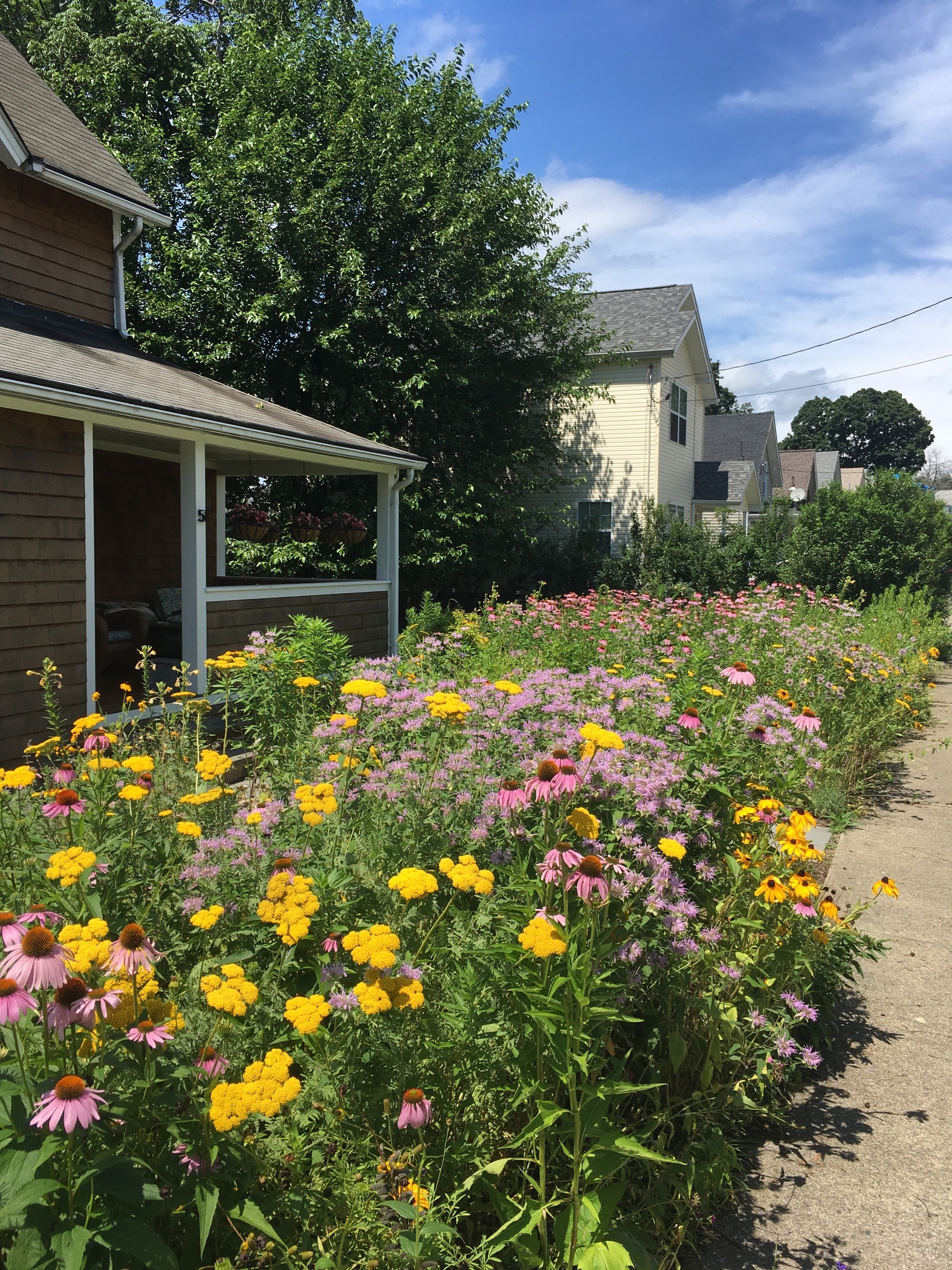
A front yard planting of native and adapted wildflowers replaces traditional lawn, offering seasonal color, pollinator support, and reduced maintenance in a residential setting.
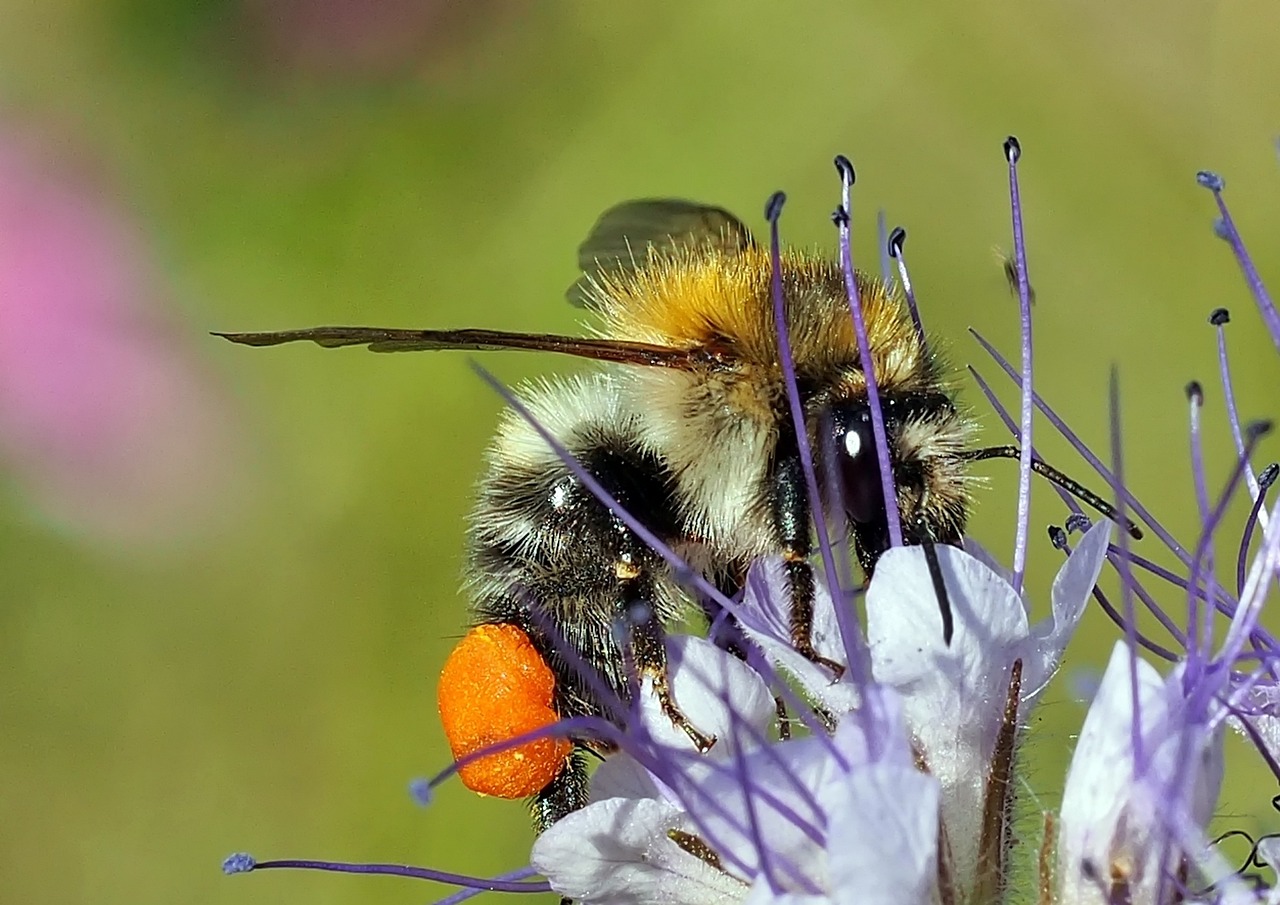
A native bee gathers pollen from Lacy Phacelia (Phacelia tanacetifolia), a valuable nectar source. While honey bees forage broadly, many native bees are specialists—relying on specific native plants to collect pollen and support their lifecycle.
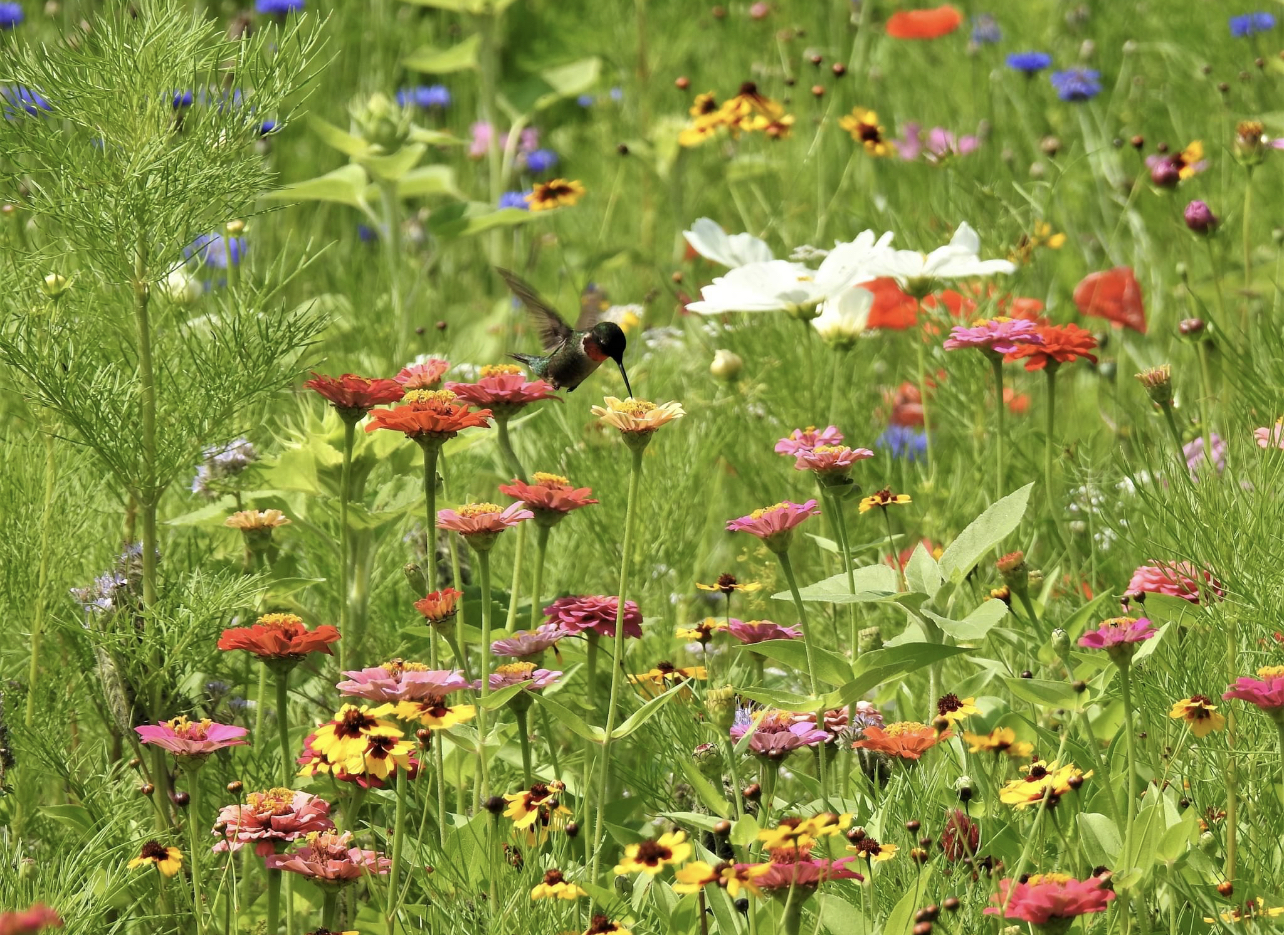
A hummingbird feeds among colorful wildflowers, highlighting how diverse plantings can support pollinators while adding vibrant, low maintenance beauty to the landscape.
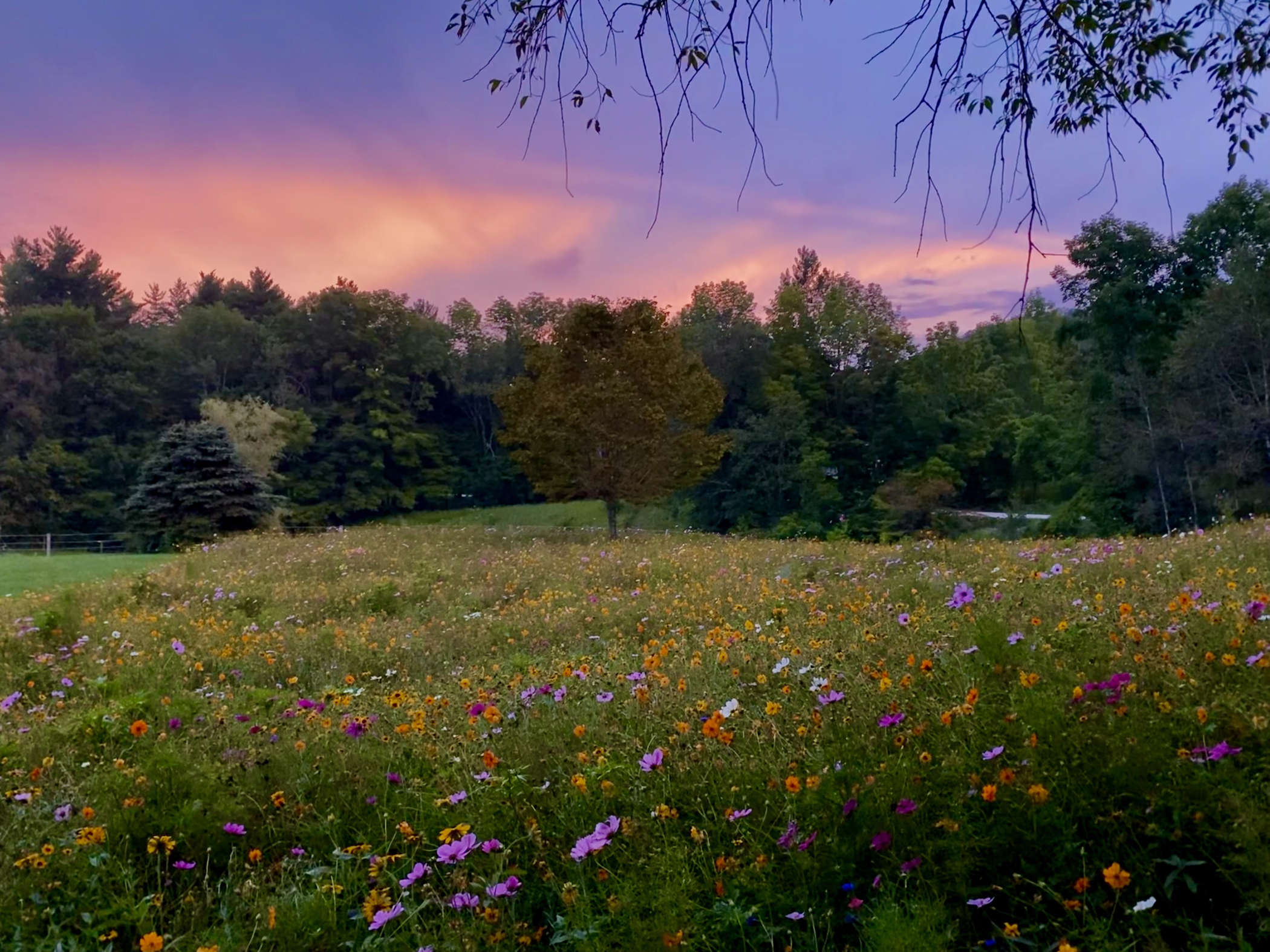
A wildflower meadow in full bloom offers more than seasonal color—it creates a living landscape filled with movement, pollinators, and a sense of calm that builds year after year from a simple spring planting.
As interest in native plants and pollinator gardens grows, American Meadows helps gardeners understand wildflowers, native plants, and seed mixes
While the term is widely used in gardening, landscaping, and conservation, “wildflower” does not have a strict scientific definition. Organizations such as the Lady Bird Johnson Wildflower Center generally describe wildflowers as non-woody flowering plants that grow naturally without intentional cultivation.
However, in practice, the term is used more broadly, and that is where confusion often begins.
NOT ALL WILDFLOWERS ARE NATIVE
In gardening and seed retail, “wildflower” can refer to a wide range of plants, including native species, naturalized plants, and carefully selected non native varieties chosen for performance, extended bloom time, ease of growth, and specific functional benefits such as erosion control or season-long color.
“As more people plant pollinator gardens and explore native plants, they are realizing that ‘wildflower’ does not always mean the same thing,” said Tabar Gifford, Master Gardener and Partnership Cultivator at American Meadows. “Understanding that distinction is key to choosing the right plants for your goals.”
For today’s gardeners, those goals vary widely, including supporting pollinators, restoring local ecosystems, and creating low-maintenance landscapes with long-lasting color.
American Meadows encourages gardeners to start with a simple decision framework:
• Choose native plants if your goal is to support pollinators, wildlife, and local ecosystems
• Choose regionally adapted species to improve long-term success and sustainability
• Choose curated wildflower mixes if your priority is reliable color, extended bloom, and ease of growth
For example, a gardener in the Northeast may prioritize native perennials adapted to cooler climates and seasonal rainfall, while a gardener in the Midwest might select drought-tolerant species suited to hotter summers and variable precipitation. Choosing plants aligned with regional conditions improves both performance and ecological benefit.
Wildflower plantings, whether native or mixed, can reduce mowing, lower water use, and minimize chemical inputs compared to traditional turf lawns, making them an increasingly popular option for homeowners seeking more sustainable landscapes. In many regions, replacing even a portion of traditional turf with wildflower plantings can significantly reduce maintenance inputs, with some studies showing meaningful reductions in mowing frequency, water use, and the need for chemical treatments.
To support better-informed decisions, American Meadows provides educational resources, including a native plant and seed glossary, regional planting guides, and a trust and transparency page outlining how seeds and mixes are sourced and labeled.
American Meadows also provides detailed species lists for all seed mixes, including information on each plant’s native range and characteristics. This level of transparency allows gardeners to clearly understand what they are planting and choose products that align with their goals, whether that is ecological impact, ease of growth, seasonal color, or specific functional benefits in the landscape.
The company also offers curated collections of native perennial plants for gardeners looking to maximize ecological impact.
“As a leading national source for wildflower seeds and native plants, our goal is to make this space clearer, not more complicated,” said Tabar Gifford, Master Gardener and Partnership Cultivator at American Meadows. “Gardening is not one size fits all. When people understand the difference between wildflowers and native plants, they can plant with more confidence.”
National Wildflower Week offers an opportunity for both new and experienced gardeners to explore planting options that align with their values, their environment, and the kind of landscape they want to create, whether that is supporting pollinators, reducing maintenance, or simply adding more color to their space.
Learn How to Plant Wildflower Seeds: https://www.americanmeadows.com/blogs/wildflower-seeds/how-to-wildflower-seed-planting-instructions
Find Native Wildflower Seeds: https://www.americanmeadows.com/collections/native-wildflower-seeds
Inspiration and Success Stories: https://www.americanmeadows.com/blogs/wildflower-seeds/tagged/inspiration
ABOUT AMERICAN MEADOWS
American Meadows is Doing Good Through Gardening. Their innovative wildflower seed mixes, pre-planned perennial gardens, and lawn alternatives are a go-to for online gardeners. With over 40 years of experience and 650,000 happy customers, American Meadows is the authority in meadowscaping. Visit www.americanmeadows.com to learn more.
Tabar Gifford
American Meadows Inc
ltabar@americanmeadows.com
Visit us on social media:
Instagram
Facebook
YouTube
TikTok
Bluesky
LinkedIn
How to Grow Wildflowers Video Guide: American Meadows experts show simple steps for planting wildflower seeds and creating a thriving meadow.
Legal Disclaimer:
EIN Presswire provides this news content "as is" without warranty of any kind. We do not accept any responsibility or liability for the accuracy, content, images, videos, licenses, completeness, legality, or reliability of the information contained in this article. If you have any complaints or copyright issues related to this article, kindly contact the author above.
